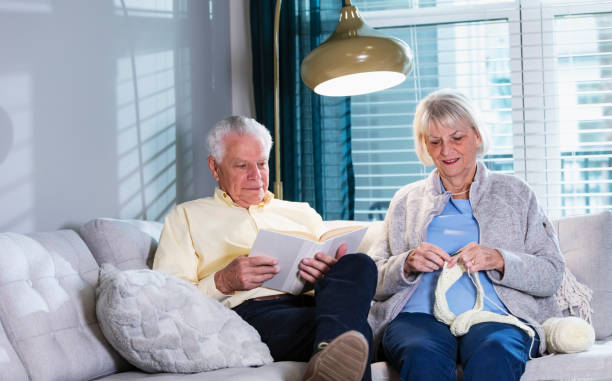
Aging today looks very different from how it did a generation ago. Many older adults are healthier, more active, more socially connected, and more interested in maintaining control over their daily lives. Instead of choosing traditional care-based environments too early, they are exploring residential options that support freedom, privacy, comfort, and community. This shift has encouraged the growth of independent living options designed specifically for seniors who want support without giving up their lifestyle.
Independent living is not about isolation or managing everything alone. It is about creating a balanced environment where older adults can enjoy personal space, meaningful social interaction, convenient services, and safer surroundings. As families become more aware of these choices, independent senior living is becoming an important part of modern retirement planning and long-term well-being.
Why Independent Living Is Becoming More Popular
The growing interest in independent living is closely linked to changing expectations among older adults. Many seniors want to continue making their own decisions, following their routines, and enjoying a lifestyle that feels familiar. They may not need full-time medical care, but they do appreciate spaces designed with convenience, safety, and companionship in mind.
Families are also looking for living arrangements that offer peace of mind without making seniors feel restricted. When searching for the best place to stay for senior citizen, many people now consider communities that combine privacy with accessible amenities. This approach allows older adults to remain confident while staying connected to a supportive environment.
A Lifestyle Built Around Freedom and Choice
Independent living options are designed to respect personal freedom. Residents usually have their own private homes, apartments, or suites where they can manage daily activities according to their preferences. They can decide when to eat, how to spend their time, whom to meet, and which activities to join. This flexibility helps preserve a sense of identity and independence.
At the same time, these communities reduce many everyday burdens. Services such as housekeeping, maintenance, security, and meal support may be available, allowing seniors to focus more on hobbies, wellness, friendships, and relaxation. The result is a lifestyle that feels less stressful and more fulfilling.
The Importance of Safety in Senior-Friendly Spaces
Safety is one of the strongest reasons older adults and their families consider independent living communities. Homes designed for seniors often include features such as step-free access, wider pathways, better lighting, slip-resistant flooring, and accessible bathrooms. These details help reduce the risk of falls and make movement easier throughout the day.
A secure environment also supports emotional comfort. Knowing that help is nearby if needed can reduce anxiety for both residents and their loved ones. Seniors can enjoy their independence without feeling completely alone, while families gain reassurance that the living space has been thoughtfully planned for aging-related needs.
Social Connection and Community Engagement
Loneliness can affect physical and emotional health, especially in later life. Independent living communities help address this concern by creating opportunities for social interaction. Shared spaces, group activities, cultural events, wellness sessions, and recreational programs allow residents to connect with others who share similar interests and life experiences.
These social connections often become an important part of daily happiness. A casual conversation, a shared meal, or participation in a community event can greatly improve mood and confidence. Instead of feeling separated from active life, older adults can remain involved, valued, and emotionally engaged.
Supporting Health, Wellness, and Active Aging
Modern independent living options often focus on wellness rather than only comfort. Many communities encourage residents to stay physically active through walking areas, fitness programs, yoga sessions, gardens, or recreational facilities. Gentle and regular movement helps improve balance, flexibility, strength, and overall energy levels.
Mental wellness is equally important. Access to peaceful surroundings, social activities, creative programs, and learning opportunities can keep the mind engaged. When seniors live in an environment that encourages healthy routines, they are more likely to maintain a positive outlook and enjoy a better quality of life.
Reducing Household Responsibilities and Daily Stress
Managing a home can become challenging with age, especially when it involves repairs, cleaning, cooking, gardening, or security concerns. Independent living options reduce these responsibilities by offering practical support services. This allows older adults to enjoy the comfort of a home-like setting without the pressure of constant upkeep.
This reduction in daily stress can make retirement more enjoyable. Instead of spending time worrying about maintenance or household problems, residents can focus on personal interests, family visits, social activities, and rest. A simpler routine often leads to a calmer and more satisfying lifestyle.
A Practical Choice for Families and Caregivers
Independent living is not only beneficial for seniors; it also helps families and caregivers. Many adult children want their parents to live safely and happily, but they may be balancing careers, children, travel, and other responsibilities. A well-planned senior living environment can ease this pressure while still respecting the older adult’s independence.
This arrangement can also improve family relationships. Visits become more about meaningful time together rather than managing household tasks or safety concerns. Families can feel reassured, while seniors can enjoy support without feeling that they are losing control over their lives.
How Independent Living Reflects the Future of Aging
The rise of independent living options reflects a broader change in how society views aging. Older adults are no longer seen only through the lens of care and dependency. They are active individuals with preferences, goals, social needs, and lifestyle expectations. Housing solutions are evolving to match this reality.
As demand grows, independent living communities are becoming more thoughtful, flexible, and resident-focused. The emphasis is shifting toward dignity, wellness, security, and personal choice. This makes independent living an appealing option for seniors who want to age with confidence while staying connected to a vibrant environment.
Conclusion
The rise of independent living options for older adults shows how retirement living is changing for the better. Seniors today want more than basic accommodation; they want homes that support freedom, safety, comfort, wellness, and community. Independent living provides this balance by allowing older adults to enjoy privacy while benefiting from convenient services and social opportunities.
For families, these options offer reassurance and a practical way to support loved ones without limiting their independence. For seniors, they create a chance to live with dignity, confidence, and purpose. As the aging population continues to grow, independent living will remain an important and valuable choice for those seeking a fulfilling lifestyle in later years.


Leave a Reply